Debt Validation Letter: What It Is and How to Mark It in Your Debt List
Debt validation letter basics: read the notice, check the 30-day dispute window, find the CFPB sample, and record the debt while you wait.
By Debt Payoff Planner by Cosmo Suite · Editorial policy
Published · 8 min read

If a debt collector sends you a notice and the account does not look right, a debt validation letter can put your dispute in writing. The notice should explain the debt and show the date for the validation period. A written dispute within that period can require a covered collector to pause collection of the disputed amount while it responds.
Not legal advice. Debt collection rules can depend on the debt, the collector, and your circumstances. For your case, talk to a licensed attorney or a nonprofit legal aid group.
At a glance: Read the deadline on the notice, send a written dispute if you need to, and save a copy with proof of when you sent it. Keep the collector's response with the same records.
Keep these three things together:
- The validation notice and the date it gives as your dispute deadline.
- A copy of the letter or online response you send, plus proof of when and how you sent it.
- The collector's response, saved with the same account records.
What a Debt Validation Letter Does
A debt validation letter is a written message to a debt collector saying that you dispute all or part of a debt, or asking for information about it. It gives you a record of what you challenged and when.
Validation information is the debt detail and reply instructions that help you identify an account and dispute it. The CFPB says debt collectors generally provide it in an initial written notice or within five days of their first communication. It can come by mail or electronically. The notice includes the creditor's name, the amount, an itemization, and information about how to reply. Review the name, account details, dates, and amount before deciding what you want to ask.
People use “validation letter” to mean different things. A collector's validation notice is the notice it sends you. A dispute letter is your written response. Some websites call a request for more details a “debt verification letter.” The CFPB's sample letters make the purpose clearer: one says you do not owe the debt, and another asks for more information.
The letter does not decide whether the debt is valid. It tells the collector what you dispute and starts a written record. If you recognize the account but the amount seems wrong, say what part you question. If you do not recognize it, use the sample for a debt you do not owe. You do not need to copy legal language from a random form.
These federal protections do not apply to every company that collects money. The CFPB says the Fair Debt Collection Practices Act covers certain personal, family, or household debts and generally does not cover an original creditor collecting its own account. If the notice is from the company that first lent you money or provided a service, check what rules apply to your situation before relying on the 30-day process.
When the 30-Day Dispute Period Applies
The validation notice should state an end date for the 30-day period. The CFPB says that after you receive the validation information, you have 30 days to dispute the debt in writing. Use the end date printed on your notice rather than calculating one from memory.
Read the date printed on your notice and act early if you want to use this process. Keep the envelope or electronic message with the notice. The date a letter arrives, the date on the notice, and the date you send a response may be different. If you are unsure which date applies, get legal help instead of guessing.
| What you send | Timing | What the CFPB says can follow |
|---|---|---|
| A written dispute of all or part of the debt | Within the validation period | A covered collector must pause collection of the disputed amount until it responds with verification |
| A written request for the original creditor's name and address, when it differs | Within the validation period | A covered collector must pause collection until it sends that information |
| A request after the validation period | You can still ask at any time | The special pause may not apply under the debt collection rule |
The pause applies to collection of the amount you dispute. It does not automatically cancel the debt, erase a balance, or remove an entry from your credit report. If the collector sends verification, collection can resume. The CFPB also says you can continue to dispute information you believe is wrong.
What to Check Before You Write
Start with the notice. You are looking for enough detail to identify the account and decide what information is missing or incorrect.
| Check on the notice | Why it helps |
|---|---|
| Name of the current creditor | Shows who the collector says owns or holds the account |
| Original creditor, if listed | Helps you connect the account to a lender or provider you recognize |
| Account number or reference | Gives the collector a way to locate the account; share only what is needed in your response |
| Current amount and itemization | Lets you see how interest, fees, payments, and credits changed the balance |
| Dispute instructions and end date | Shows how to reply and the date stated for the validation period |
If a name or amount looks unfamiliar, compare it with records you already have, such as old statements, payment confirmations, or account-closure notices. If you are unsure about the collector, verify its identity before sharing personal details.
The notice may be correct even if you do not recognize the collector's name. An account can move between companies. The creditor field and itemization give you specific questions to ask. If the notice does not include information you expect, the CFPB explains what a collector generally must provide and how to file a complaint.
How to Send a Debt Validation Letter
Use a source that explains the purpose of the letter, then tailor it to the issue you see. The CFPB publishes sample letters for “I do not owe this debt” and “I need more information about this debt.” The National Consumer Law Center also provides a sample dispute letter. These are references, not a substitute for advice about your circumstances.
Before sending, make sure the letter identifies the account enough for the collector to find it. State whether you dispute the whole debt or only part of it, or ask for the specific information you need. Keep the wording factual. A short explanation of the mismatch can help the collector understand your request, but avoid adding details you are not sure about.
Follow the response instructions on the validation notice. Use a method that lets you keep a copy of what you sent and a record of when it was sent. If you mail the letter, save the mailing receipt and any delivery confirmation. If you reply electronically, save the sent message or confirmation page. Keep copies of attachments too.
Do not send original statements or receipts unless you have a reason to. Keep your originals. If you send copies to support a dispute, list what you included and retain the same files in your records.
What Happens After You Send It?
When a covered debt collector receives a written dispute during the validation period, the CFPB says it must pause collection of the disputed amount until it sends verification. If you dispute only part of the balance, the pause concerns that part.
Save the response with the letter. Compare the verification with your records and note what it answers. If the collector has not responded yet, keep your copy of the dispute and avoid treating silence as proof that the debt disappeared. If collection activity continues and you think the collector has not followed the rules, the CFPB accepts complaints and suggests seeking legal help for unresolved issues.
A debt collector's response and a credit bureau dispute are separate steps. If a collection account appears on your credit report and you believe the reporting is inaccurate, you can also dispute it with the credit reporting companies. A letter to the collector does not automatically remove the report entry.
If you receive court papers, read the response deadline and contact a lawyer or legal aid office promptly. The 30-day validation period is separate from any deadline in a lawsuit. Do not ignore a summons while waiting for a collector's verification.
How to Mark the Debt in Your List While You Wait
Keep the debt visible while the collector reviews your dispute. Record the notice date, the deadline shown on it, what you disputed, how you sent the letter, and when a response arrives. Save the actual documents separately. A payoff list can help you see your balances and payment order, but it is not a place to store the letter or evidence.
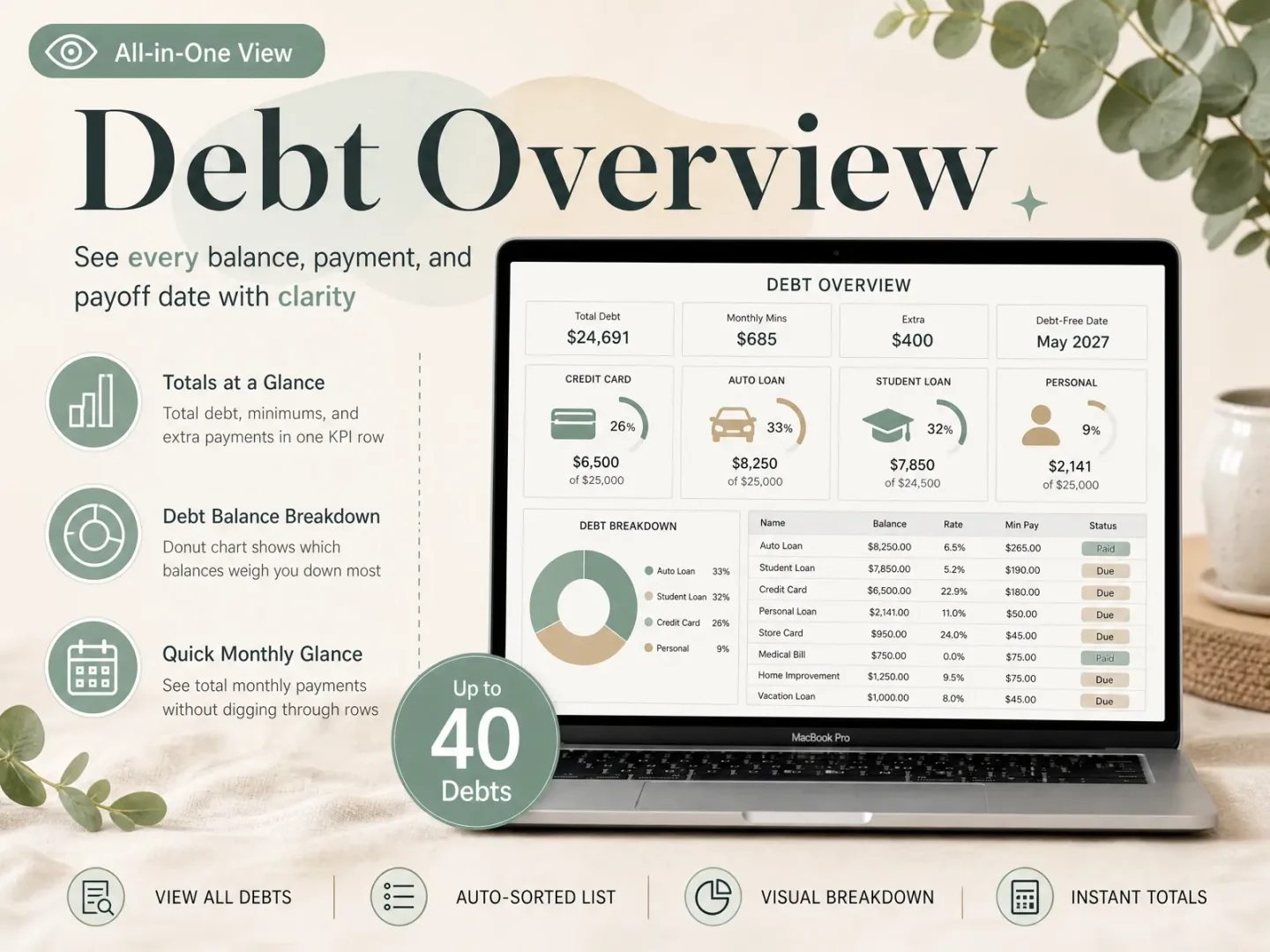
The screenshots below show payment-planning fields only. They do not record a dispute, validation deadline, or collector response. Debt Payoff Planner is one spreadsheet option for keeping balances and payment schedules together; keep dispute correspondence in your own document folder.
You can keep a simple separate note for the collection correspondence:
| Record | What to write down |
|---|---|
| Notice received | The date you received the notice and the end date printed for the validation period |
| Dispute sent | The date, delivery method, and whether you disputed the full amount or one part |
| Documents saved | The notice, your letter, delivery proof, and any supporting copies |
| Response received | The date it arrived and which question or amount it addresses |
| Next step | A reminder to review the response or seek legal help if a deadline or issue remains |
This log is for organizing records. It does not tell you whether to pay, stop paying, or change an account's legal status. Keep making decisions about other debts from their own terms, and get qualified advice if the disputed account affects an upcoming payment or lawsuit.
For example, if you dispute an account in the notice, keep its letter and response in a separate folder. Leave the balances you already track in your payoff list, and mark the separate note as “waiting for response.” That recordkeeping step does not decide whether you owe the debt or what you should pay.
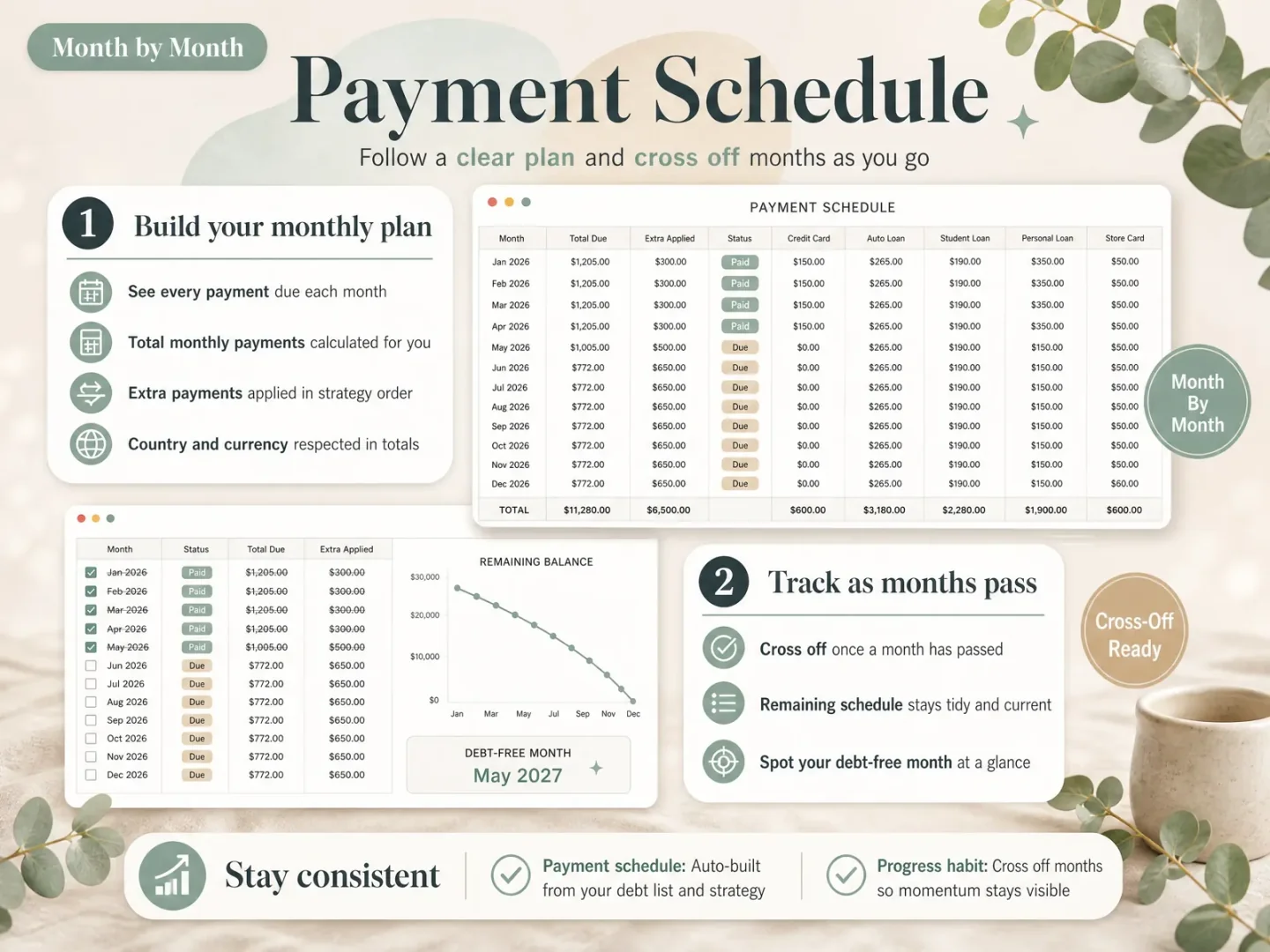
If you are building the full list from scratch, this guide to a debt payoff spreadsheet and the fields it tracks explains the balance, APR, and minimum-payment columns. For a separate question about a court order and paycheck deductions, see what a garnishment can change in your payoff list. If you are deciding how to order your other balances, compare the snowball and avalanche methods.
How We Put This Together
We reviewed the CFPB's consumer guidance and current model-letter page on 15 October 2026, along with the CFPB's page last reviewed on 29 January 2024. We also checked the National Consumer Law Center's public sample-letter page. Read about us and find contact details. This is general information, not legal advice. For your situation, contact a licensed attorney or a legal aid group.
Frequently asked questions
Do debt validation letters really work?
A written dispute sent within the validation period can require a covered debt collector to pause collection of the disputed amount until it sends verification. It does not guarantee that the debt will be removed or forgiven.
What if I missed the 30-day period?
You can still ask for information or dispute a debt. The CFPB says the special pause in collection under the debt collection rule may depend on a written request within the validation period. Check the notice and get legal help for your situation.
What should I include in a debt validation letter?
Use the CFPB sample that matches your situation. Identify the account using the information in the notice, say what you dispute or what information you need, and keep a copy. The sample is a starting point, not legal advice.
Does disputing a debt remove it from my credit report?
A dispute to a debt collector does not automatically remove a credit-report entry. If the entry is wrong, the CFPB says you can also dispute it with the credit reporting companies.
Sources
- CFPB: What information does a debt collector have to give me about a debt? (last reviewed 29 January 2024)
- CFPB: What laws limit what debt collectors can say or do? (last reviewed 9 December 2024)
- CFPB: Debt Collection model forms and samples
- CFPB: Can a debt collector still collect a debt after I have disputed it? (last reviewed 9 December 2024)
- National Consumer Law Center: Sample Dispute Letter